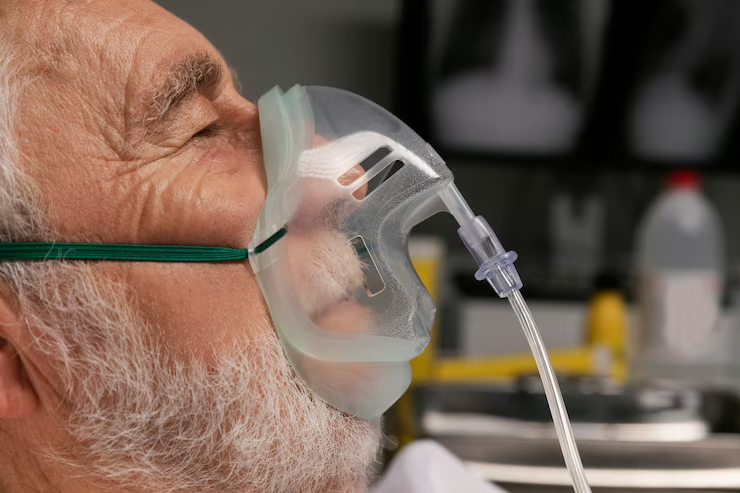
What is Hyperbaric Oxygen Therapy?
Hyperbaric Oxygen Therapy (HBOT) involves breathing pure oxygen in a pressurized chamber. This environment allows oxygen to dissolve and saturate the bloodstream at levels far beyond what can be achieved under normal atmospheric conditions. As a result, tissues receive significantly more oxygen, accelerating healing and reducing inflammation.
Key Benefits Noted in Clinical Settings
- Improved wound healing
- Reduction in infection risk
- Enhanced recovery from radiation injury
- Adjunctive treatment for carbon monoxide poisoning
According to the Undersea and Hyperbaric Medical Society, HBOT is an FDA-approved therapy for over a dozen conditions.
How Doctors Are Using Hyperbaric Oxygen Therapy in Practice
Wound Care Specialists and Diabetic Ulcers
Clinicians treating diabetic foot ulcers have long struggled with poor circulation and slow healing. Dr. Alan Schneider, a vascular surgeon in New York, states:
“I’ve seen patients avoid amputation entirely because of timely intervention with Hyperbaric Oxygen.”
HBOT increases angiogenesis, or the formation of new blood vessels, which is vital for healing chronic wounds.
Neurologists and Brain Injury Recovery
Neurologists have reported promising outcomes when using HBOT as an adjunct treatment for traumatic brain injury (TBI), stroke, and even cerebral palsy. The oxygen-rich environment helps reduce cerebral edema and promote neurogenesis.
Internal resource: How Hyperbaric Oxygen Enhances Oxygen Delivery and Promotes Cellular Regeneration
Clinical Research Supporting HBOT
Peer-Reviewed Evidence of Effectiveness
A 2021 meta-analysis published in The Lancet highlighted that patients undergoing HBOT for diabetic ulcers experienced a 70% increased chance of wound healing within 12 weeks compared to standard treatment.
In another study published in Neurology Today, HBOT was associated with significant improvements in post-stroke patients' cognitive functions after 20 sessions.
External source: The Lancet: Hyperbaric Oxygen Therapy in Diabetic Foot Ulcers
Emerging Areas of Interest: Long COVID and Inflammation
A new frontier is the use of HBOT in patients suffering from Long COVID. Physicians from Israel’s Sagol Center have noted improvements in fatigue, brain fog, and vascular dysfunction after multiple HBOT sessions.
Conditions Recognized for HBOT Treatment
FDA and Insurance-Accepted Indications
According to the FDA, approved conditions for HBOT include:
- Decompression sickness
- Severe anemia
- Gas embolism
- Radiation tissue damage
- Chronic refractory osteomyelitis
Insurance providers are increasingly covering HBOT for these indications, recognizing its clinical efficacy.
Expert Opinions from the Field
Pulmonology and COVID-19 Complications
Dr. Linda Moore, a pulmonologist in California, notes:
“Hyperbaric Oxygen therapy has become a critical tool in managing post-COVID respiratory complications and chronic hypoxia. We’re seeing improvements in patients who were otherwise plateauing in progress.”
Oncology and Radiation Necrosis
Radiation necrosis — a common side effect of cancer treatment — has also shown responsiveness to HBOT. Dr. Keiko Tanaka, a radiation oncologist, comments:
“With HBOT, we’re mitigating long-term tissue damage that typically follows aggressive radiotherapy.”
Safety, Accessibility, and Clinical Guidelines
Safety Profile and Side Effects
HBOT is generally well-tolerated. Minor side effects may include ear barotrauma and mild oxygen toxicity, especially in prolonged sessions. Medical supervision ensures these are minimized.
Guideline-Based Usage
The UHMS provides stringent guidelines on HBOT protocols, recommending treatment durations, chamber pressures, and follow-up evaluations. Proper patient selection remains crucial to ensure safety and efficacy.
Future Directions and Expanding Use Cases
Mental Health and PTSD
Preliminary trials are investigating HBOT's role in managing PTSD and generalized anxiety disorder (GAD). Early findings suggest improvements in sleep quality, memory retention, and mood stabilization.
Athletic Performance and Recovery
Elite athletes have also turned to HBOT for faster muscle recovery and injury prevention. Although not FDA-approved for this use, anecdotal evidence and ongoing research are exploring these benefits.
External resource: CNN Health: Hyperbaric Oxygen Therapy Gaining Popularity Among Athletes
Conclusion: A Respected Tool in the Modern Physician’s Arsenal
Doctors across specialties are increasingly recognizing the transformative potential of Hyperbaric Oxygen therapy. From wound care and neurology to respiratory recovery and oncology, HBOT is no longer seen as fringe medicine — it’s a respected, data-backed intervention.
As clinical trials continue to validate and expand its applications, HBOT stands poised to become a mainstream therapeutic modality with wide-reaching implications for patient outcomes.