
Why Fire Watch Guards Are Critical for Hospitals and Care Facilities During System Maintenance
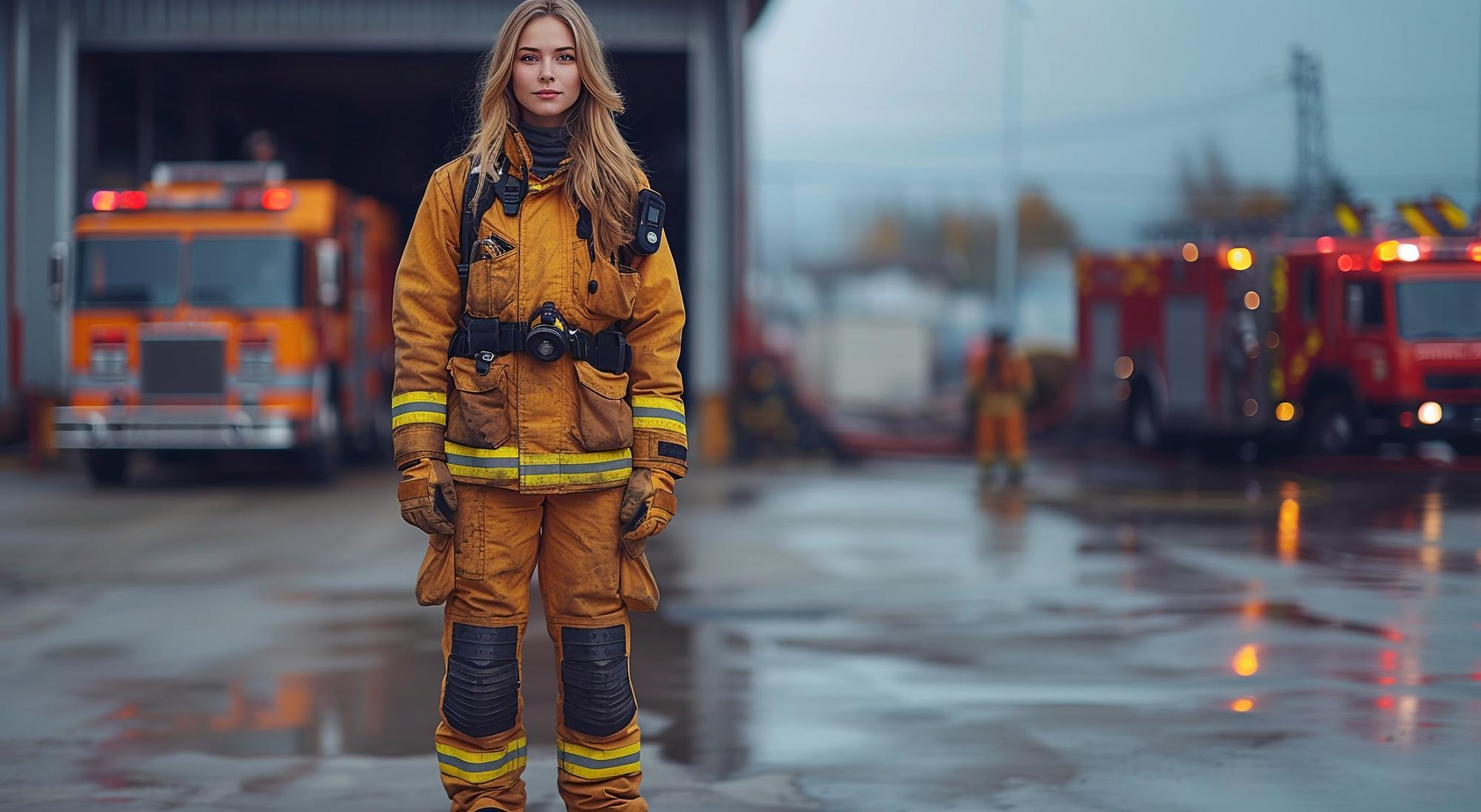
Hospitals and care facilities are places where safety and security are paramount. From ensuring patient safety to preventing accidents, the stakes are high. However, during system maintenance activities, especially those involving electrical systems, equipment repairs, or infrastructure upgrades, fire risks are often heightened. This is where fire watch guards play a crucial role in safeguarding these vulnerable environments.
What Are Fire Watch Guards?
Fire Watch Guards are trained professionals assigned to monitor and identify potential fire hazards in environments with an increased fire risk, typically during ongoing construction, maintenance, or repair work. These guards are equipped to spot fire hazards and respond quickly to prevent or mitigate fires before they spread.
In hospitals and care facilitieswhere large numbers of people, including those who may be unable to evacuate quickly, are present, Fire Watch Guards are critical. The complex layout and variety of high-risk areas make it essential for these guards to have detailed knowledge of fire prevention, emergency protocols, and communication methods.
Why Fire Watch Guards Are Essential During System Maintenance
Hospitals and care facilities, due to their high occupancy and critical nature, have unique fire risks during system maintenance. Here's why Fire Watch Guards are a non-negotiable part of these settings during such activities:
1. Prevention of Electrical Fires
System maintenance often involves electrical work, including rewiring, equipment upgrades, and repairs. Electrical malfunctions are a leading cause of fires in both commercial and residential settings. In hospitals, electrical systems are critical, powering everything from life-support equipment to lighting and HVAC. If a fire were to break out in a hospital during electrical work, it could be catastrophic.
Fire Watch Guards are trained to identify potential electrical fire risks and ensure that all precautions are followed to prevent sparks, overheating, or short circuits from turning into full-blown fires. They monitor all areas where maintenance is happening and are on standby to respond immediately if a fire breaks out.
2. Enhanced Safety for Vulnerable Populations
Unlike most workplaces, hospitals and care facilities house people who may be unable to respond quickly in an emergency. Patients in critical care, the elderly, or those with mobility challenges face evacuation challenges. For this reason, Fire Watch Guards provide an added layer of safety by ensuring that fire hazards are managed before they escalate, allowing staff to focus on patient care during system maintenance.
Having trained personnel on-site 24/7 ensures there’s always someone monitoring the facility, ready to respond should the worst happen. The guards ensure that safety systems such as alarms, sprinklers, and fire exits are functioning properly, creating a safer environment for patients, staff, and visitors.
3. Compliance with Fire Safety Regulations
Hospitals and care facilities are subject to strict fire safety regulations, which are even more rigorous during construction or maintenance. In most regions, the installation of fire watch procedures is a legal requirement when certain types of work are taking place that increase the risk of fire. Fire Watch Guards help ensure compliance with these regulations and that the facility remains compliant with local fire safety laws.
Failing to comply with these regulations could result in fines or even the closure of the facility. Ensuring that Fire Watch Guards are on-site during system maintenance protects the hospital or care facility from both legal and financial liabilities.
4. Maintaining Continuous Fire Safety Coverage
The risk of fire is present at all times, even outside of typical working hours. When system maintenance occurs overnight or on weekends, having Fire Watch Guards ensuresfire safety remains uninterrupted. These professionals continuously monitor all critical areas, including those that may be affected by maintenance work. Their presence provides peace of mind to hospital staff and ensures a rapid response in the event of a fire emergency, day or night.
5. Minimizing Disruptions to Facility Operations
When fire hazards occur, evacuations, fire department calls, and the subsequent chaos can severely disrupt hospital operations. This could lead to delays in patient care, risks to patient safety, or damage to sensitive medical equipment. Fire Watch Guards help prevent these incidents, keeping hospital operations running smoothly and avoiding delays that could affect patient care.
By addressing potential fire risks as they arise, fire watch guards prevent the costly and time-consuming aftermath of a fire incident.
How Fire Watch Guards Manage Fire Safety During System Maintenance
The role of Fire Watch Guards in hospitals and care facilities encompasses a range of proactive and reactive duties to minimize fire risks. Here's how they contribute to maintaining safety during system maintenance:
1. Continuous Monitoring of Work Areas
During system maintenance, guards are stationed near work areas, especially those involving hazardous materials, electrical equipment, or heat-producing activities. They constantly monitor these areas for signs of smoke, heat, or other indicators of fire risks.
2. Clear Communication with Facility Staff
Fire Watch Guards maintain clear lines of communication with hospital staff, including maintenance teams, security, and emergency personnel. If they detect any fire risks, they can immediately notify the appropriate team, ensuring that everyone is aware of the potential hazard.
3. Implementation of Fire Watch Procedures
The guards ensure that fire watch procedures, such as maintaining fire extinguishers, conducting regular fire drills, and checking fire alarms, are followed correctly. These protocols help prevent fires and ensure that, if one does break out, it’s addressed as quickly as possible.
4. Documentation and Reporting
Fire watch guards document their activities, including inspections, findings, and any incidents that may arise during their shift. This documentation is essential for legal and insurance purposes and ensures that all fire safety measures have been adhered to during maintenance work.
5. Evacuation Assistance
In the event of a fire emergency, Fire Watch Guards are trained to assist with evacuations. They ensure that patients and visitors are safely directed to the nearest exits, even if elevators or other typical evacuation routes are unavailable.
Conclusion: The Vital Role of Fire Watch Guards in Healthcare Settings
System maintenance can present significant fire hazards in hospitals and care facilities. The presence of Fire Watch Guards during these activities helps minimize fire risks, protect vulnerable populations, and ensure the facility remains compliant with legal regulations. Their constant vigilance and quick response times provide a critical layer of protection, ensuring the hospital or care facility remains safe, even during periods of heightened risk.
By working closely with staff and maintenance teams, Fire Watch Guards help maintain the smooth and safe operation of these essential healthcare environments. The safety of patients, staff, and visitors should always come first, and fire watch guards play an indispensable role in ensuring it.