How to Train Employees on Proper Fleet Card Usage
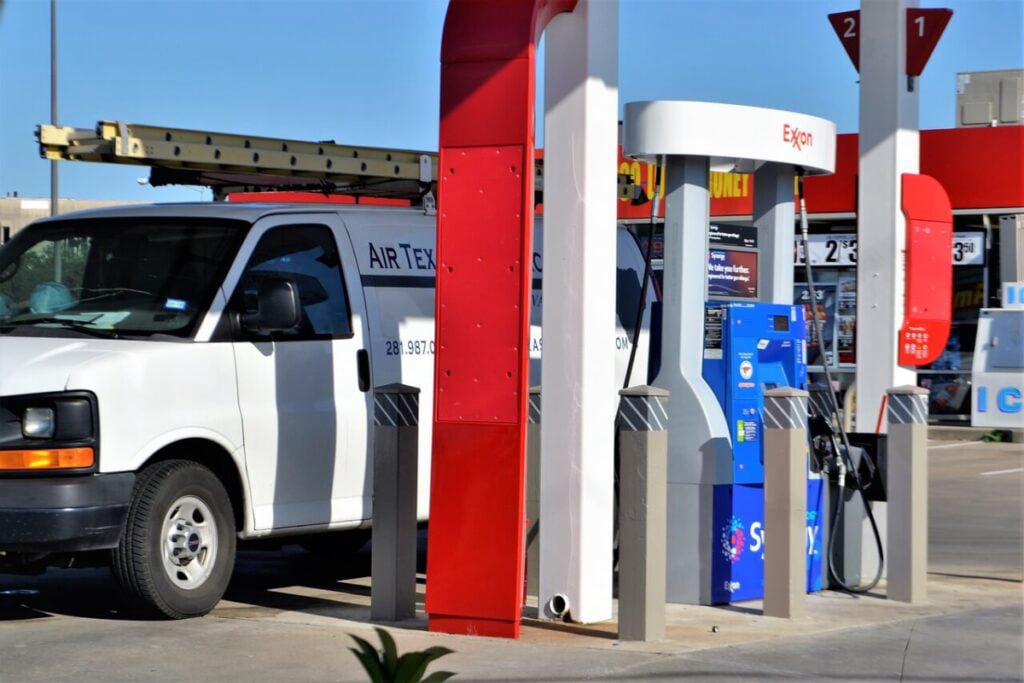
If your business relies on a fleet of vehicles, whether it's for deliveries, transportation, or mobile services, then fleet cards can be a real game-changer. They simplify fuel purchases, make tracking expenses easier, and help keep things organized on the accounting side. But the benefits only really come through when employees understand how to use them properly. Without proper training, fleet cards can become a source of confusion, misuse, or even fraud. So, how do you train your team to use them correctly? Let’s break it down.
Start with a Solid Foundation
The first step is to make sure employees know exactly what fleet cards are and what they're intended for. Don’t assume everyone is familiar with the concept. Explain that fleet cards are specialized payment cards used specifically for fueling and maintaining company vehicles. The key here is to emphasize that they’re not like personal debit cards or credit cards—they're tied to business use only, and there are clear limitations in place for a reason.
Help your team understand that fleet cards are meant to control costs, streamline reporting, and eliminate the need for reimbursements. When employees know the “why” behind fleet cards, they’re more likely to respect the rules that come with them.
Lay Out the Dos and Don’ts Clearly
Rules are easier to follow when they’re clear and consistent. That’s why you’ll want to communicate the guidelines in plain language and make sure everyone receives the same information. For instance, outline what types of purchases are allowed—usually fuel, oil changes, and minor vehicle maintenance—and explain which ones aren’t, like snacks, drinks, or unrelated retail items.
It also helps to talk about where the cards can be used. Some fleet cards are restricted to certain gas stations or vendors, while others are more flexible. Whatever the case, make sure employees know the locations and networks that accept your card.
Use Real-Life Scenarios for Training
One of the best ways to get the message across is by using real-life examples. This not only makes the training more relatable, but it also helps employees understand how the policies apply in everyday situations. Walk them through scenarios like filling up a company van, handling a card that gets declined, or reporting a lost or stolen card. These practical examples stick better than abstract rules, and they’ll give your team the confidence to make the right decisions on the road.
Make Policy Documents Easy to Access
Let’s be honest: most people aren’t going to read a dense, 10-page manual about fleet card usage. That’s why it’s important to create a simple, easy-to-digest guide that employees can refer back to whenever they have a question. Keep it concise, highlight the most important points, and share it in multiple formats—maybe as a PDF, a printed one-pager in the vehicle, or even as a slide in a quick online training module.
Having the policy in writing helps set expectations, but it also protects your business. If there’s ever confusion or a misuse issue, you can refer back to the written rules everyone was trained on.
Incorporate Fleet Card Training into Onboarding
Don’t wait until there’s a problem to talk about fleet card usage. It’s much better to be proactive and build it into your onboarding process for new employees. When you introduce it right from the start, it becomes part of your company culture. You can walk them through how the cards work, answer questions, and make sure they understand their responsibilities before they ever fill up a tank.
If your team is already in place and hasn’t had formal training yet, no worries—just schedule a quick session to go over everything together. It doesn’t need to be a full-day event. Even a 30-minute group meeting can make a big difference.
Monitor Usage and Provide Feedback
Training doesn’t stop after the first session. As your team starts using fleet cards in the real world, you’ll want to keep an eye on how things are going. Most fleet card systems offer detailed transaction reports, so it’s easy to see who’s using the cards, where, and for how much.
If you notice any issues—like purchases outside of approved hours or questionable spending—it’s a good opportunity to follow up with the employee and offer a friendly reminder. Approach these conversations from a place of support and education rather than punishment. Most of the time, mistakes come from misunderstandings, not intentional misuse.
Reinforce Best Practices Over Time
Like any other part of employee training, repetition is key. A quick refresher every few months helps keep the rules top of mind and gives employees a chance to ask new questions. You might even include a short reminder during regular team meetings or in an internal newsletter.
Also, if your fleet card provider makes any changes to their policies or network coverage, make sure to pass that information along quickly. Keeping everyone updated shows that you value transparency and helps prevent unintentional errors.