The Role of Fuel Cards in Sustainable Transportation
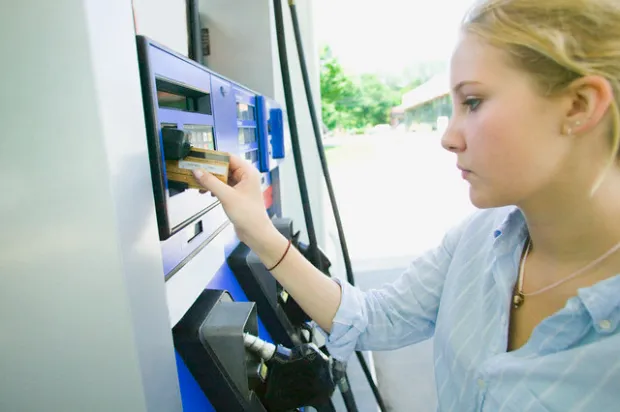
In today’s rapidly evolving transportation landscape, sustainability has become more than just a buzzword. It’s a key focus for businesses, governments, and individuals alike. As climate concerns continue to shape policies and consumer choices, transportation companies are being pushed to find smarter, greener ways to operate. Among the many tools being used to support this transition, fuel cards are playing a surprisingly impactful role.
Understanding Fuel Cards Beyond Convenience
Fuel cards were once primarily seen as a convenient payment method for businesses to manage their fleet expenses. They allowed drivers to refuel without using cash or personal credit cards and gave fleet managers detailed transaction reports. But as sustainability climbs higher on the priority list, the value of fuel cards has grown well beyond mere convenience.
Today, fuel cards are data-driven tools that help monitor and manage fuel consumption, identify inefficiencies, and guide fleets toward more eco-friendly practices. The evolution of these cards has made them an essential part of the broader strategy to reduce carbon footprints and promote cleaner transportation solutions.
Helping Businesses Track Emissions and Fuel Usage
One of the most significant contributions fuel cards make to sustainable transportation is data transparency. Every transaction made with a fuel card is recorded and categorized. This provides fleet managers with insights into how much fuel is being used, how often vehicles are refueling, and even the types of fuel being purchased.
With this kind of information, businesses can better understand their environmental impact and identify opportunities for improvement. For example, frequent refueling or high fuel consumption could indicate inefficient driving habits, underperforming vehicles, or poor route planning. By addressing these issues, companies can cut down on wasteful fuel use and reduce their emissions.
Supporting the Shift to Alternative Fuels
As alternative fuels like biodiesel, electricity, and hydrogen gain traction, some modern fuel cards are evolving to support this shift. Certain fuel card programs now include access to charging stations or allow payment for alternative fuels, making it easier for fleet operators to incorporate hybrid or fully electric vehicles into their lineup.
This integration not only simplifies operations for mixed-fuel fleets but also encourages the gradual adoption of cleaner energy sources. Companies that want to invest in electric vehicles often worry about the infrastructure and management challenges. Fuel cards that cover both traditional and alternative fuel types provide a practical bridge during the transition.
Encouraging Smarter Driving and Fleet Efficiency
Sustainable transportation isn’t just about what powers a vehicle—it’s also about how that vehicle is used. Many fuel card programs include telematics or GPS tracking features that give fleet managers a deeper view into driver behavior. Data on idling time, acceleration patterns, and route choices can be collected and analyzed to promote more efficient driving practices.
Smarter driving directly contributes to sustainability by cutting unnecessary fuel consumption. Over time, this can translate into lower emissions, better vehicle performance, and significant cost savings. Fuel cards, in this case, become more than just a way to pay—they become a coaching tool that helps create better habits behind the wheel.
A Step Toward Sustainable Accountability
In a world where stakeholders are demanding more transparency around environmental efforts, fuel cards offer a layer of accountability. Businesses that operate fleets can demonstrate measurable progress in reducing fuel consumption and lowering carbon emissions. These metrics can be shared in sustainability reports, grant applications, or public communications to highlight a company’s commitment to green practices.
This kind of accountability can also influence partnerships. Clients and consumers are increasingly aligning themselves with organizations that prioritize environmental responsibility. Having clear data from fuel card usage adds credibility to sustainability claims and strengthens a company’s position in the market.
Looking Ahead: Fuel Cards and Future Transportation Trends
As transportation continues to evolve with trends like electrification, automation, and smart city infrastructure, fuel cards will likely adapt alongside them. We may see future fuel card systems integrated directly into electric vehicle dashboards, offering real-time efficiency analytics or dynamic charging options based on grid conditions.
Moreover, as regulatory frameworks tighten and carbon taxes become more common, fuel card data may be crucial for compliance and financial planning. Businesses that are already leveraging these tools for sustainability will be better prepared for the shifts ahead.